Source stainless steel oxygen bottle trolley for Hospital, Clinic, and Home Use
Explore 30 listings for the stainless steel oxygen bottle trolley designed for hospital, clinic, and home applications. Buyers can compare specifications like load capacity, wheel type, and certifications to find the right equipment for medical gas storage and transport.
Key considerations
Products List






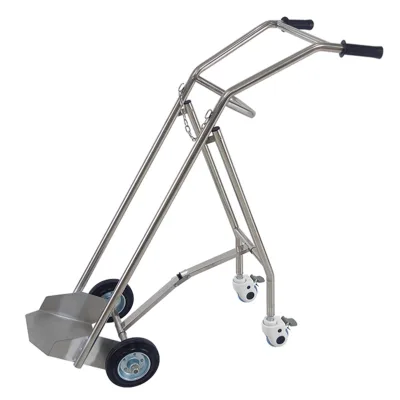
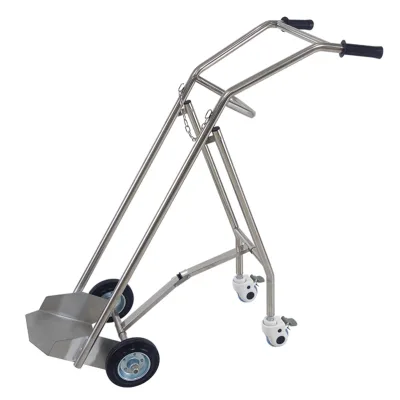
Comprehensive Sourcing Guide
Strategic Sourcing Guide for Stainless Steel Oxygen Bottle Trolleys
Procuring medical-grade equipment requires a rigorous approach that balances technical specifications, regulatory compliance, and supply chain reliability. For buyers seeking a stainless steel oxygen bottle trolley, the market presents a diverse array of options ranging from fixed-caster units to high-capacity mobile storage solutions. This guide synthesizes available product data and industry standards to provide a structured framework for evaluating suppliers and selecting the appropriate equipment for hospital or clinical environments. The focus remains on evidence-based attributes observed in current listings, ensuring that procurement decisions are grounded in verifiable facts rather than speculative claims.
Technical Specifications and Material Integrity
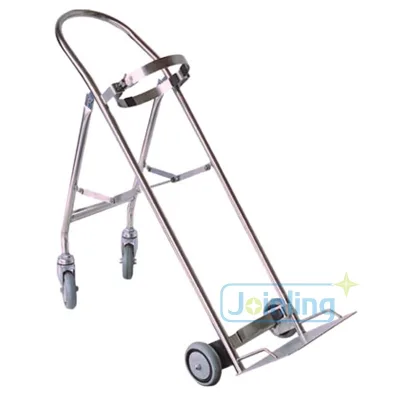
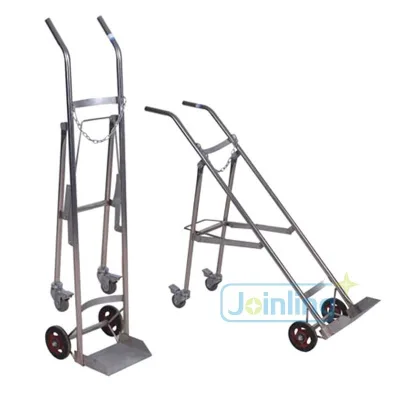
The foundation of any reliable oxygen trolley lies in its construction materials and dimensional specifications. The core keyword, "stainless steel oxygen bottle trolley," implies a primary material composition of stainless steel, a choice driven by the need for corrosion resistance and ease of cleaning in sterile environments. Observed product attributes confirm that the material is explicitly listed as Stainless Steel, with some variations noting an alloy composition or metal with coating for specific applications. The surface finish is frequently described as chrome-plated or dark gray, which serves both aesthetic and functional purposes by facilitating disinfection protocols.
Dimensions and load capacity are critical parameters that vary significantly across models. Listings indicate a load capacity of up to 300 lb (136.08 kg), which is essential for supporting heavy industrial or medical gas cylinders. However, buyers must verify that the specific model selected matches their cylinder inventory. Some units are designed for specific capacities, such as 40L, 20L, or 10L cylinders, while others offer universal compatibility. The physical footprint is equally important; observed widths range from 24 inches (60.96 cm) to specific standard dimensions like 390310640 mm. When evaluating a trolley, procurement teams should cross-reference the single package size, which can vary from 70x60x50 cm to other configurations, to ensure the unit fits through standard hospital doorways and elevator shafts.
The wheel configuration is another decisive technical factor. Most observed units feature fixed casters, which provide stability for stationary storage but may lack the maneuverability required for dynamic clinical settings. Buyers should verify if the "Fixed Casters" attribute applies to their specific needs or if swivel options are available in the broader market. Additionally, the weight of the unit itself, with observed net weights around 4.8 kg and gross weights up to 20.0 kg, impacts the ease of transport and the structural integrity of the frame. A heavier unit often suggests a more robust build, but it also increases the effort required for daily movement.
Compliance, Certification, and Regulatory Standards
In the medical device sector, compliance is not merely a formality but a prerequisite for market entry and operational safety. The product data highlights several key certifications that buyers should prioritize during the supplier evaluation process. The CE mark is frequently cited, indicating conformity with health, safety, and environmental protection standards for products sold within the European Economic Area. Furthermore, some listings mention FDA certification, which is a critical requirement for medical devices intended for the United States market.
The classification of the instrument is another vital compliance metric. Observed data categorizes these trolleys as Class I instruments, which generally represent low-risk medical devices. However, the functional classification as a "Storage Pressure Vessel" introduces additional regulatory layers. While the trolley itself may be Class I, its interaction with high-pressure gas cylinders (defined as 10.0 MPa ≤ p < 100.0 MPa in some listings) necessitates adherence to pressure vessel safety standards. Buyers must verify that the supplier can provide documentation proving the trolley's design does not compromise the safety of the pressure vessel it holds.
Standards such as "Universal" or specific model numbers like JL09206-12 and MS-T480S serve as identifiers for compliance tracking. It is important to note that while "Customized" is listed as an attribute, customization must not void existing certifications. Any modification to the standard design, such as altering the frame material or adding non-certified components, requires re-evaluation by the relevant regulatory body. Procurement teams should request copies of the CE and FDA certificates and verify their validity against the specific model number being purchased. The origin of the product, often listed as Zhejiang, China, should be transparently disclosed, as the manufacturing location can influence the supply chain's ability to meet specific regional regulatory requirements.
Cost Drivers and Pricing Dynamics
Understanding the cost structure of stainless steel oxygen trolleys requires an analysis of the variables that influence the final price. The observed price range in the market spans from 7 USD to 599 USD, a wide disparity that reflects differences in material quality, complexity, and included features. The lower end of the spectrum likely corresponds to basic, single-item units with minimal customization, while the higher end may include heavy-duty models with advanced locking mechanisms or specialized finishes.
Material costs are a primary driver of pricing. Stainless steel is more expensive than standard alloys or coated metals, and the grade of the steel (e.g., 304 vs. 316) significantly impacts the cost. Listings mentioning "Alloy" or "Metal with Coating" suggest alternative materials that may reduce costs but could compromise long-term durability or corrosion resistance. The weight of the unit is also a cost indicator; a single gross weight of 20.000 kg implies a substantial amount of raw material compared to a 10.000 kg unit, directly affecting the manufacturing and shipping expenses.
Packaging and logistics play a secondary but significant role in the total cost of ownership. The observed packing methods, ranging from "1 Piece in Carton" to "Nylon, Box" or "Foam+Carton," affect the unit's protection during transit and the associated shipping fees. Customization is listed as an available attribute, and while it adds value, it inevitably increases the unit price and may extend lead times. Buyers should be aware that the "Selling Units" are typically single items, meaning bulk discounts may not be automatically applied unless negotiated. The Minimum Order Quantity (MOQ) ranges from 1 to 100, offering flexibility for small clinics but potentially limiting economies of scale for large hospital networks.
Typical Applications and Operational Context
The specific use cases for stainless steel oxygen bottle trolleys are diverse, spanning from general hospital furniture to specialized gas storage. The primary application is identified as "Hospital Trolley," indicating that these units are designed to support the workflow of medical facilities. They serve as mobile storage for oxygen cylinders, ensuring that gas supplies are accessible at the point of care while maintaining safety and organization. The attribute "Function: Storage Pressure Vessel" reinforces their role in safely containing and transporting high-pressure gas.
In addition to general hospital use, these trolleys are often employed in settings requiring high levels of hygiene. The "Easy Cleaning" and "Corrosion Resistance" features are particularly valuable in operating rooms, intensive care units, and emergency departments where frequent disinfection is necessary. The "Dark Gray" color option may be preferred in clinical settings for its ability to conceal minor scuffs and maintain a professional appearance. The "Instrument classification: Class I" suggests that these trolleys are suitable for environments where direct patient contact is minimal, or where the device is considered a non-invasive support tool.
The versatility of the product is further highlighted by the "Customized" attribute, allowing suppliers to tailor units to specific facility layouts or cylinder types. For instance, a trolley designed for a 40L cylinder will have different dimensions and load-bearing requirements than one for a 10L cylinder. The "Specific Use" field explicitly mentions "Hospital Trolley," but the robust construction implies potential use in industrial gas supply chains or laboratory settings where gas storage is required. Buyers should assess their specific operational needs, such as the frequency of movement and the types of cylinders used, to select a trolley that optimizes workflow efficiency.
Supplier Evaluation and Quality Assurance
Selecting the right supplier is as critical as selecting the right product. The data indicates that suppliers often provide "Online Technical Support" as an after-sale service, which is a positive indicator of their commitment to customer satisfaction. However, buyers should look beyond this basic offering and evaluate the supplier's overall quality control processes. The presence of certifications like CE and FDA suggests a level of regulatory compliance, but it does not guarantee consistent manufacturing quality.
When evaluating suppliers, buyers should verify the consistency of product attributes. For example, if a supplier claims a load capacity of 300 lb, they should provide test data or third-party verification to support this claim. The "Single gross weight" and "Single package size" should be consistent across orders to ensure predictable logistics planning. Suppliers offering "Customized" solutions should demonstrate a clear process for managing design changes and maintaining certification status throughout the modification process.
Quality assurance should also extend to the materials used. The distinction between "Stainless Steel" and "Alloy" or "Metal with Coating" must be clearly defined in the contract. Buyers should request material test reports to confirm the grade of the steel and the quality of the chrome plating or coating. The "Warranty: 1 Year" is a standard offering, but the terms of the warranty, including coverage for wear and tear or structural failure, should be clearly understood. Additionally, the "Place of Origin: Zhejiang, China" should be verified to ensure that the manufacturing facility meets international quality standards.
Long-Term Procurement Considerations
Sourcing medical equipment is a long-term investment that requires careful consideration of lifecycle costs and maintenance. The "Warranty: 1 Year" provides a baseline for product reliability, but buyers should plan for maintenance beyond this period. The "Easy Cleaning" and "Corrosion Resistance" features are designed to extend the lifespan of the trolley, but regular inspection of the casters, frame, and locking mechanisms is essential. The "Fixed Casters" attribute may limit the trolley's mobility over time if the wheels wear out, so buyers should consider the availability of replacement parts.
Customization offers flexibility but can complicate long-term maintenance. If a facility opts for a customized model, they must ensure that the supplier can provide spare parts and technical support for the specific configuration. The "Model Number" variations, such as JL09206-12 and JL09206-10, indicate that different models may have different part compatibility. Buyers should standardize their inventory where possible to simplify maintenance and reduce the risk of obsolescence.
Finally, the supply chain stability is a key long-term consideration. The "Lead time" and "MOQ" values, while not explicitly detailed in the provided data, are critical factors for procurement planning. Buyers should establish a relationship with suppliers that can guarantee consistent delivery and support their inventory management strategies. The "After-sale Service: Online Technical Support" is a good start, but a dedicated account manager or on-site support may be necessary for large-scale deployments. By focusing on these long-term factors, buyers can ensure that their investment in stainless steel oxygen bottle trolleys delivers sustained value and operational efficiency.
Comparative Analysis of Product Attributes
To assist in the decision-making process, the following table summarizes the key attributes observed in the market for stainless steel oxygen bottle trolleys. This comparison highlights the variability in specifications and helps buyers identify the features most relevant to their needs.
| Attribute | Observed Value Range / Options | Relevance to Procurement |
|---|---|---|
| Material | Stainless Steel, Alloy, Metal with Coating | Determines durability and corrosion resistance. |
| Load Capacity | Up to 300 lb (136.08 kg) | Critical for supporting specific cylinder weights. |
| Wheel Type | Fixed Casters | Affects mobility and stability in clinical settings. |
| Certification | CE, FDA | Mandatory for regulatory compliance in target markets. |
| Capacity | 40L, 20L, 10L, Universal | Must match the facility's cylinder inventory. |
| Finish | Chrome Plated, Dark Gray | Impacts aesthetics and ease of cleaning. |
| Warranty | 1 Year | Standard coverage for manufacturing defects. |
| Origin | China (Zhejiang) | Influences shipping costs and lead times. |
| Customization | Available / Customized | Allows for tailored solutions but may increase cost. |
This table serves as a reference point for buyers to compare different offerings and ensure that the selected trolley meets all technical and regulatory requirements. By systematically evaluating these attributes, procurement teams can make informed decisions that align with their operational goals and budget constraints.
FAQs
What certifications do stainless steel oxygen bottle trolleys have?
These trolleys typically hold CE and FDA certifications for medical use. Some models are classified as Class I instruments, ensuring they meet low-risk safety standards for hospital environments and pressure vessel storage applications.
How much load capacity can these trolleys support?
Observed units support a load capacity of up to 300 lb or 136.08 kg. This capacity is designed to safely hold high-pressure gas cylinders, ensuring stability during transport within clinical or industrial settings.
Can I get a customized stainless steel oxygen bottle trolley?
Yes, customization is available for specific needs like cylinder size or dimensions. Buyers can request tailored solutions for capacities such as 10L, 20L, or 40L while maintaining the core stainless steel construction and corrosion resistance.
What is the warranty period for these hospital trolleys?
The standard warranty period is 1 year for structural and functional integrity. This coverage applies to the stainless steel frame and casters, providing assurance against manufacturing defects during the initial operational phase.
Which materials are used to construct these oxygen trolleys?
The primary material is stainless steel, chosen for corrosion resistance and easy cleaning. Some variations may use alloy or metal with coating, but the core design prioritizes durability and hygiene for hospital furniture applications.
What is the origin of these oxygen cylinder trolleys?
These products originate from Zhejiang, China, a known manufacturing hub for medical equipment. The location influences supply chain logistics, with typical shipping methods involving carton or foam packaging for safe transit.